Molecular Hydrogen and the Gut Microbiome: What Does the Research Show?

Hydrogen already plays a part in the gut. Some microbes release it as they break down food. Others use it to help meet their energy needs.
Hydrogen already plays a part in the gut. Some microbes release it as they break down food. Others use it to help meet their energy needs.

Molecular hydrogen has drawn interest for its possible effects on inflammation. Small human studies have reported changes in some blood markers, cell signals and disease scores.

Human studies have tested hydrogen-rich water in people with metabolic syndrome. Others studied related health problems. Some report changes in blood sugar, blood fats or other markers. Others find no clear advantage over control water.

Researchers are studying molecular hydrogen for its possible effects on memory, thinking and brain health. Cell and animal studies offer reasons to study it. Human studies have reported some encouraging findings.

Molecular hydrogen may affect some measures of exercise fatigue or recovery. But the evidence does not support treating it as a proven way to improve athletic performance across the board.
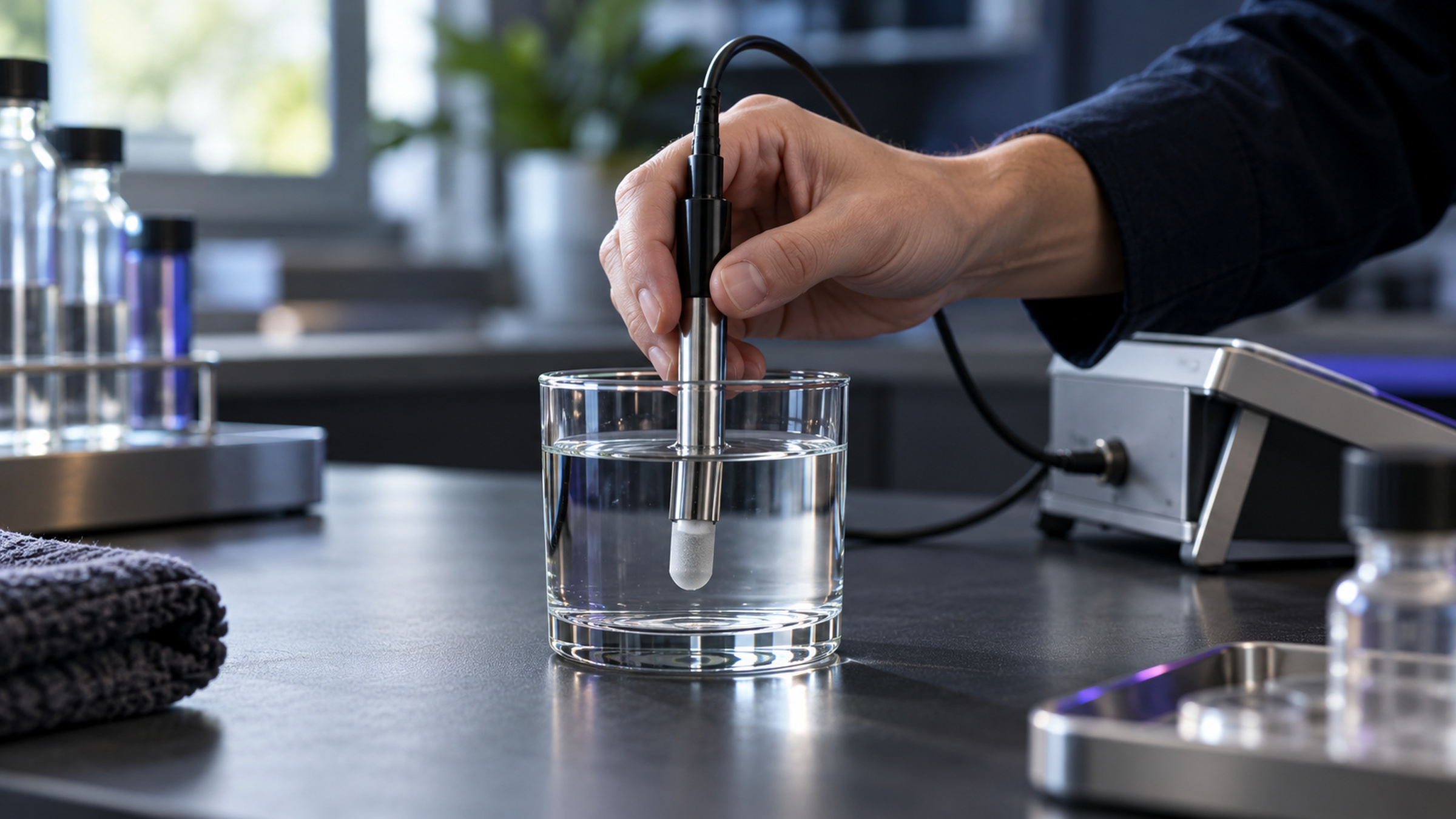
A hydrogen-water label may show a large ppm number. That tells you about concentration: how much molecular hydrogen, or H₂, is present in a given amount of water.
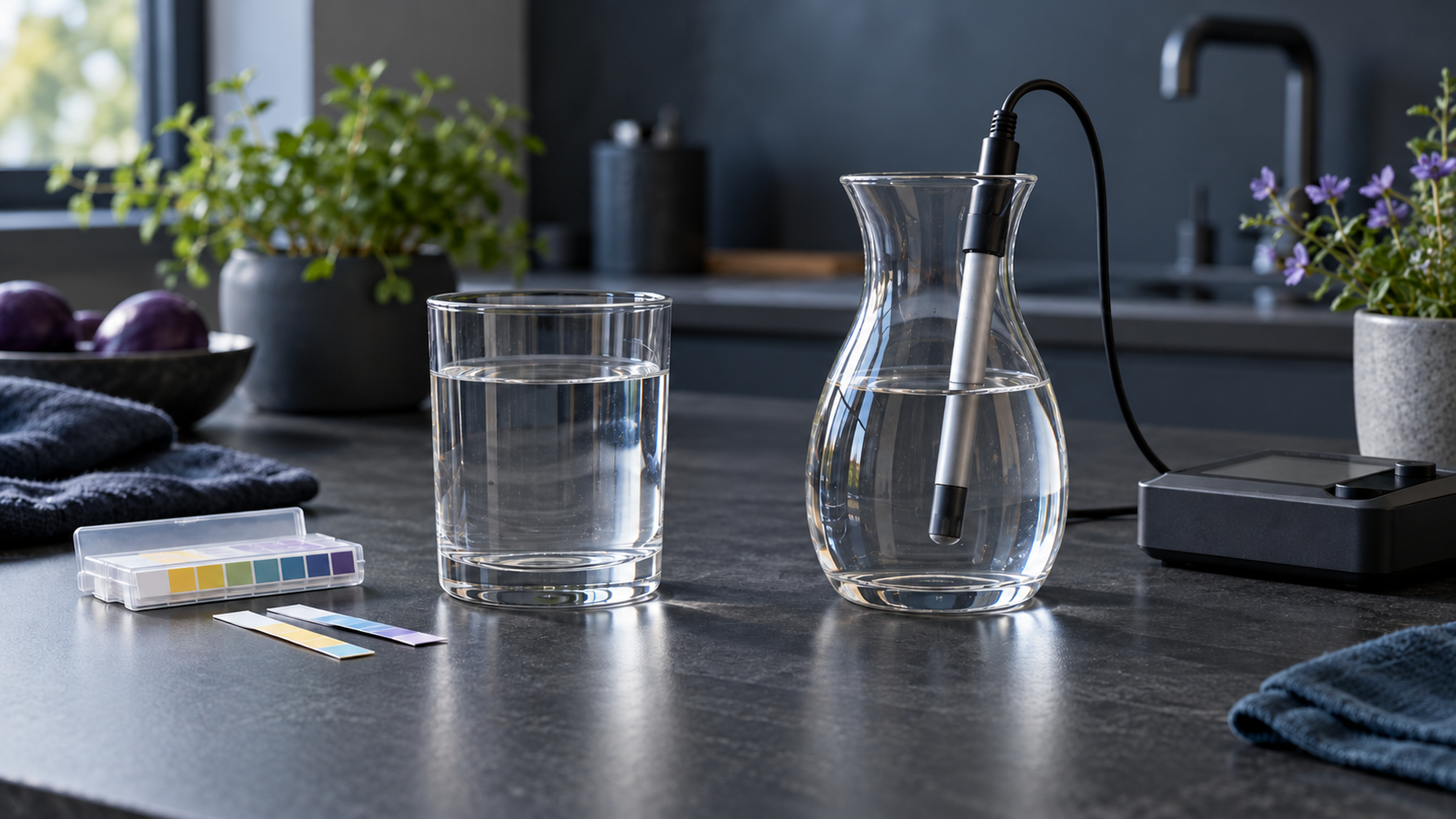
Hydrogen water and alkaline water are not the same thing. Hydrogen water contains dissolved molecular hydrogen gas, or H₂. Alkaline water has a pH above 7.
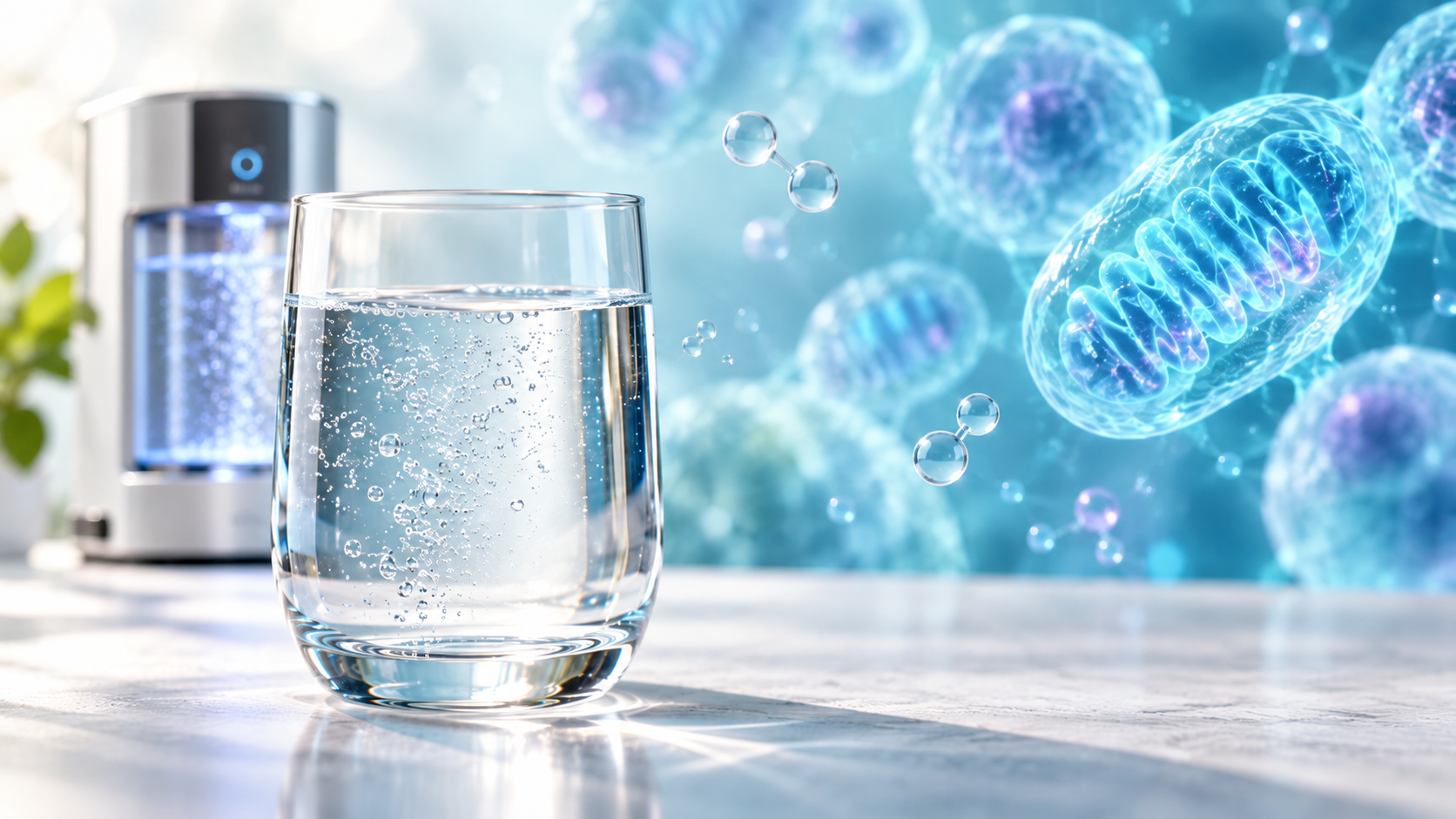
Can a simple gas change how our cells respond to stress? That question is driving research into molecular hydrogen. Scientists have studied it in cells grown in a lab, in animals and in human trials.